

UNI NOVA – Research Magazine of the University of Basel
-
 Dossier
Testing cancer treatments on mini-tumors.
Text: Catherine Weyer / Raphaëlle Servant creates tumors in miniature. The doctoral researcher wants to use these organoids to make personalized cancer therapy possible.
-
 Dossier
Close your eyes and just dance.
Text: Anika Zielenski / Can sports and movement prevent cancer? Or support treatment? If so, then why? Five facts from the fields of sports medicine and basic research.
-
 Dossier
Can you lead a happy life with cancer?
Text: Jan Müller / A serious illness changes the way a person looks at their life, how they can and want to shape its course. Philosopher Jan Müller ponders how this new reality influences various areas of life.
-
 Dossier
Right on track for practical applications.
Text: Angelika Jacobs / An idea in the lab might someday help to improve cancer treatment. Five spin-offs from the University of Basel with the aim of developing concepts to benefit patients.
-
 Opinion
What should we do to fight plastic pollution, Patricia Holm?
Text: Patricia Holm / Plastic waste is a global problem. An environmental scientist and an expert in international law on the actions that can be taken by private individuals and by policymakers.
-
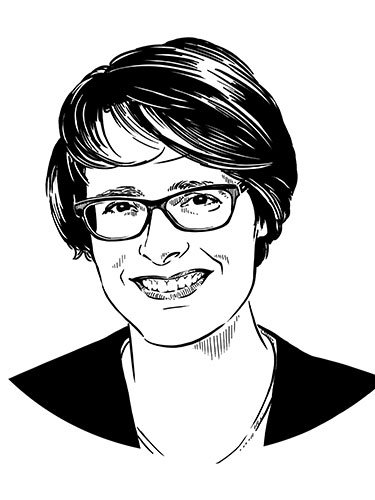 Opinion
What should we do to fight plastic pollution, Anna Petrig?
Text: Anna Petrig / Plastic waste is a global problem. An environmental scientist and an expert in international law on the actions that can be taken by private individuals and by policymakers.
-
 In pictures
Pictures of time – photo albums in flux.
Text: Noëmi Kern / For her dissertation, Murielle Cornut is studying the photo album as a cultural technology.
-
 Portrait
Brain researcher with a jazz flute.
Text: Christoph Dieffenbacher / Philipp Sterzer investigates how our brain works – both in terms of everyday perception and in cases of severe psychosis. But music is his true love.
-
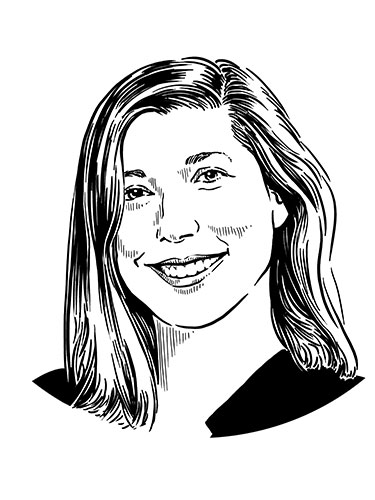 Opinion
Refuting the myth of neutral technology.
Text: Bianca Prietl / Artificial intelligence is meant to produce objective truths free of human error. Yet cases of algorithmic discrimination give the lie to this promise time and again. How can we imagine technoscientific futures without holding onto the hope of technological neutrality?


